
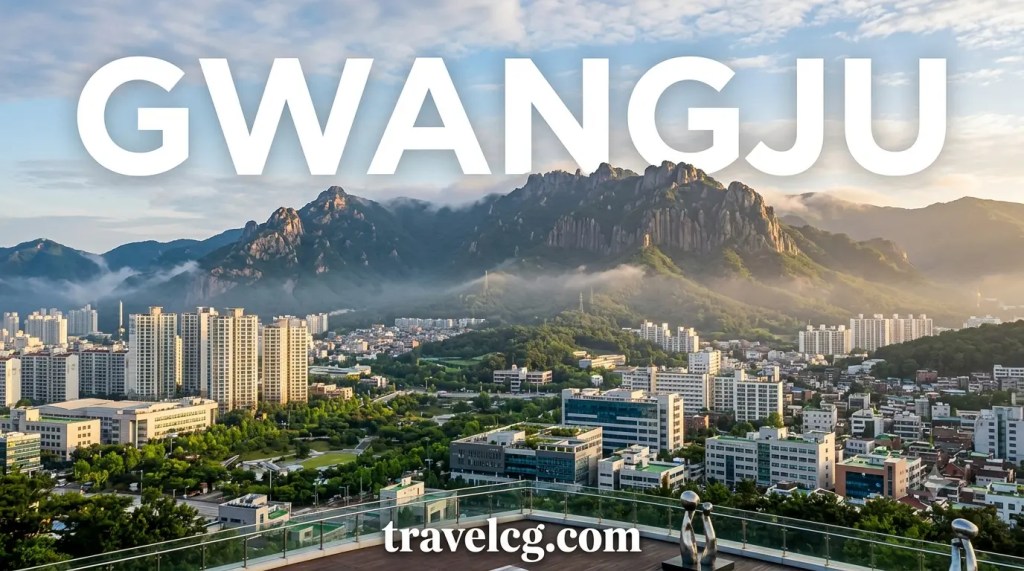
Gwangju is one of the most culturally significant cities in southwestern South Korea. Known for its democratic history, contemporary art, traditional food, mountain scenery, and strong local identity, Gwangju offers a different experience from the more internationally famous cities of Seoul and Busan.
The city is especially interesting for travelers who want to combine history, culture, nature, food, art, and authentic Korean city life in one trip. Gwangju is also an excellent base for exploring the wider southwestern region of Korea.
A particularly important point for modern travelers is that Gwangju’s tourism identity extends beyond conventional sightseeing. The city is closely associated with the May 18 Democratic Movement, Mudeungsan, Asian contemporary culture, traditional neighborhoods, markets, and Namdo cuisine. Official tourism information highlights attractions ranging from the Asia Culture Center and Yangnim-dong to the National 5·18 Democratic Cemetery, 1913 Songjeong Station Market, Mudeungsan National Park, and Gwangjuho Lake Eco Park.
Where Is Gwangju?
Gwangju is located in the southwestern part of South Korea. It is the principal urban center of the Honam region and has historically served as an important cultural and economic hub.
The city is surrounded by attractive countryside and mountains, with Mudeungsan being its most recognizable natural landmark. Its location also makes it convenient for exploring destinations elsewhere in southwestern Korea.
For international travelers, Gwangju can be combined with destinations such as:
- Seoul
- Jeonju
- Mokpo
- Damyang
- Boseong
- Suncheon
- Yeosu
- Jirisan region
The surrounding area is particularly famous for traditional Korean landscapes, tea plantations, bamboo forests, temples, mountains, and coastal scenery.
Why Visit Gwangju?
Gwangju is worth visiting because it provides an experience that is considerably different from the standard Seoul-Busan itinerary.
1. Rich democratic history
Gwangju played a pivotal role in South Korea’s democratization movement. The May 18 Democratic Movement of 1980 remains an important part of the city’s identity.
Visitors can learn about this history at museums, memorial sites, former government buildings, and the National 5·18 Democratic Cemetery.
This isn’t simply a historical attraction. Understanding the events of 1980 helps visitors understand modern Korean society and the importance of democracy in the country.
2. Mudeungsan Mountain
Mudeungsan is one of Gwangju’s defining natural landmarks. The mountain provides hiking opportunities, dramatic rock formations, forests, valleys, and panoramic views.
The city’s official tourism material identifies the four-season scenery of Mudeungsan as one of Gwangju’s signature views.
3. Art and culture
Gwangju has a particularly strong contemporary-art identity. The city has been recognized by UNESCO as a Creative City of Media Arts, while its tourism attractions include galleries, cultural spaces, festivals, and the Asia Culture Center.
4. Excellent food
Gwangju is famous throughout Korea for Namdo cuisine, characterized by numerous side dishes, seafood, vegetables, fermented foods, soups, and strong regional flavors.
Food lovers should consider Gwangju one of the most interesting destinations in Korea.
5. Less overwhelming than Seoul
Gwangju is a large city, but it generally feels less overwhelming to first-time international visitors than Seoul.
You can experience busy shopping streets, cafés, restaurants, markets, nightlife, museums, and modern transportation while still reaching nature relatively easily.
Best Places to Visit in Gwangju
Mudeungsan National Park
Mudeungsan National Park is probably the first place nature lovers should put on their Gwangju itinerary.
The mountain rises dramatically above the city and offers hiking trails ranging from relatively easy walks to more demanding mountain routes.
The landscape changes beautifully throughout the year:
- Spring brings fresh greenery and flowers.
- Summer provides dense forest and cool mountain areas.
- Autumn produces colorful foliage.
- Winter can create beautiful snowy landscapes.
Hiking conditions vary considerably by season, so proper footwear and weather preparation are important.
Asia Culture Center
The Asia Culture Center is one of Gwangju’s most important cultural institutions.
It combines exhibitions, performances, cultural programs, creative activities, archives, and public spaces. It is particularly suitable for travelers interested in contemporary Asian culture and art.
The center also sits in an area closely connected with the city’s historical and cultural core.
May 18 Democracy Square
May 18 Democracy Square is an important historical location associated with Gwangju’s democratization movement.
The surrounding area provides an opportunity to understand the city’s modern history while also exploring central Gwangju.
Visitors should approach the site respectfully because it represents a deeply significant period in Korean history.
National 5·18 Democratic Cemetery
The National 5·18 Democratic Cemetery is one of the most important historical sites in Gwangju.
It commemorates victims and participants associated with the May 18 Democratic Movement.
A visit here can be more meaningful if you first learn some background about the events of 1980.
Yangnim-dong History and Culture Village
Yangnim-dong is one of Gwangju’s most interesting neighborhoods for travelers who enjoy history, architecture, cafés, and walking.
The district contains historic buildings and cultural attractions alongside more contemporary spaces.
It provides an excellent contrast between old Gwangju and the modern city.
Penguin Village
Penguin Village is a distinctive neighborhood attraction in Yangnim-dong.
It is known for its unusual artistic atmosphere, recycled objects, murals, small exhibitions, and narrow streets.
It is particularly enjoyable for photography.
1913 Songjeong Station Market
1913 Songjeong Station Market is one of Gwangju’s best-known traditional market areas.
The market combines traditional shops with renovated storefronts, cafés, restaurants, snacks, and modern businesses.
It is a good place to experience local food and atmosphere before or after traveling through Gwangju Songjeong Station.
Gwangju Art Street
Gwangju Art Street is an excellent choice for visitors interested in visual arts, galleries, crafts, and local culture.
The city has a long artistic tradition, and this area helps demonstrate why Gwangju is regarded as one of Korea’s important cultural cities.
Sajik Park Observatory
For a different perspective of the city, visit Sajik Park and its observatory.
The elevated viewpoint is especially attractive around sunset and after dark, when Gwangju’s city lights become visible.
Gwangjuho Lake Eco Park
Gwangjuho Lake Eco Park is a good option for travelers looking for a quieter outdoor experience.
The area combines water, greenery, walking routes, and mountain scenery.
It can be especially pleasant during spring and autumn.
Jungoe Park
Jungoe Park offers green space and cultural attractions within the city.
It is suitable for a relaxed walk and can be combined with other nearby cultural attractions.
Gwangju World Cup Stadium
Sports fans can include Gwangju World Cup Stadium in their itinerary.
The stadium is part of the city’s sporting infrastructure and represents another side of modern Gwangju.
Best Things to Do in Gwangju
A good Gwangju trip should not consist entirely of visiting individual attractions. Some of the best experiences come from simply exploring the city.
Explore the historic neighborhoods
Spend a few hours walking around Yangnim-dong and nearby streets.
Look for:
- Historic houses
- Small cafés
- Murals
- Independent shops
- Galleries
- Local restaurants
- Street art
- Traditional architecture
Hike Mudeungsan
If you enjoy outdoor activities, dedicate at least half a day to Mudeungsan.
Choose the trail according to your fitness level and the season.
Do not underestimate the mountain simply because it is close to the city.
Visit a traditional market
Markets are among the best places to experience everyday Korean life.
1913 Songjeong Station Market is particularly convenient because of its location near Gwangju Songjeong Station.
Experience Gwangju’s art scene
Visit cultural centers, galleries, exhibitions, and public art spaces.
Gwangju’s reputation as a creative city makes art an important part of the travel experience rather than merely an optional activity.
Learn about modern Korean history
Set aside time for the May 18-related sites.
A traveler who understands the historical background will get much more from Gwangju than someone who simply treats the memorials as sightseeing attractions.
Enjoy the city at night
Central Gwangju becomes lively after sunset.
You can explore:
- Restaurants
- Cafés
- Shopping streets
- Bars
- Night markets and cultural events when operating
- Illuminated city streets
Gwangju Food Guide
Gwangju is one of the best destinations in Korea for travelers who prioritize food.
The broader Jeolla region is famous for its generous and diverse banchan, or Korean side dishes.
A typical meal can involve considerably more than one main dish.
Must-Try Foods
Gwangju-style Korean meals
Look for restaurants offering traditional Namdo-style meals with multiple side dishes.
This is one of the best ways to experience regional Korean cuisine.
Tteokgalbi
Tteokgalbi is a grilled minced-meat dish traditionally associated with southwestern Korea.
It has a rich, savory flavor and is often served with rice and side dishes.
Kimchi
Gwangju and the surrounding Jeolla region are strongly associated with flavorful Korean fermented foods.
Trying locally prepared kimchi is worthwhile.
Bibimbap
Although bibimbap is associated particularly strongly with nearby Jeonju, Gwangju also offers excellent versions of Korean mixed rice dishes.
Seafood dishes
Because of the southwestern region’s proximity to the coast, seafood plays an important role in local cuisine.
Look for seasonal seafood and regional Korean preparations.
Makgeolli and traditional dishes
Traditional Korean rice wine is often paired with savory dishes, pancakes, and other foods.
If you drink alcohol, moderation is recommended and local age and safety rules apply.
Best Areas to Stay in Gwangju
Your ideal neighborhood depends on the purpose of your trip.
Downtown Gwangju
Best for:
- First-time visitors
- Restaurants
- Shopping
- Nightlife
- Easy access to central attractions
Chungjang-ro Area
This is a good choice for travelers interested in central-city atmosphere, shopping, cafés, restaurants, and cultural attractions.
Gwangju Songjeong Area
This area is particularly convenient if transportation is your priority.
Gwangju Songjeong Station is an important railway hub, making the neighborhood practical for travelers arriving by high-speed train or taking day trips.
Yangnim-dong
Best for:
- History
- Architecture
- Cafés
- Photography
- Cultural tourism
Staying nearby can provide a more atmospheric experience.
How Many Days Do You Need in Gwangju?
One day
A one-day visit can cover the highlights:
Morning: Mudeungsan or a major cultural attraction
Afternoon: Asia Culture Center and central Gwangju
Evening: 1913 Songjeong Station Market or downtown
However, this will feel rushed.
Two days
Two days is a much better option.
Day 1
- Asia Culture Center
- May 18 Democracy Square
- Chungjang-ro
- Gwangju Art Street
- Evening food exploration
Day 2
- Mudeungsan
- Yangnim-dong
- Penguin Village
- 1913 Songjeong Station Market
Three days
Three days allows a more relaxed experience and gives you time for additional museums, parks, markets, cafés, food experiences, and nearby destinations.
If you enjoy hiking, art, history, or food, three days can easily be justified.
Best Time to Visit Gwangju
Gwangju can be visited throughout the year, but each season offers a different experience.
Spring
Spring is one of the most attractive periods for sightseeing.
Expect:
- Pleasant temperatures
- Flowers
- Fresh greenery
- Comfortable walking conditions
Spring is particularly good for parks and mountain scenery.
Summer
Summer can be hot and humid, with periods of heavy rainfall.
However, lush vegetation makes the surrounding mountains beautiful.
Plan outdoor activities for cooler parts of the day.
Autumn
Autumn is arguably one of the best seasons for Gwangju.
The combination of comfortable temperatures and colorful foliage makes it excellent for hiking and photography.
Mudeungsan is particularly attractive during autumn.
Winter
Winter can be cold, but the city remains active.
Snow can occasionally transform the mountain landscape into a beautiful winter scene.
Pack appropriate cold-weather clothing if visiting during winter.
How to Reach Gwangju
By KTX
The easiest option for many travelers arriving from Seoul is the high-speed rail network.
Gwangju Songjeong Station is the city’s principal high-speed railway station.
Traveling by high-speed train is generally much faster and more convenient than traveling entirely by road.
By Bus
Gwangju has extensive intercity bus connections.
The main bus terminal provides connections to many Korean cities.
Buses can be especially useful for reaching destinations around southwestern Korea.
By Air
Gwangju Airport serves domestic routes.
For many international travelers, however, flying to a major international airport and continuing by train may be more practical depending on the itinerary.
Getting Around Gwangju
The city has a combination of:
- Subway
- City buses
- Taxis
- Walking
- Ride-hailing and local transportation services
The subway network is smaller than Seoul’s, but it can still be useful for certain parts of the city.
Taxis are convenient when traveling between attractions that are poorly connected by public transportation.
Gwangju Public Transportation Tips
For an efficient trip:
- Use a rechargeable Korean transportation card where accepted.
- Check the last subway and bus services before staying out late.
- Keep the Korean and English names of your destination available.
- Use navigation apps for walking and public transportation.
- Allow extra time when visiting mountain areas.
- Consider taxis when traveling with luggage or in a group.
Day Trips From Gwangju
One of Gwangju’s greatest advantages is its location.
Damyang
Damyang is famous for bamboo forests and peaceful countryside.
The bamboo landscape provides a completely different atmosphere from central Gwangju.
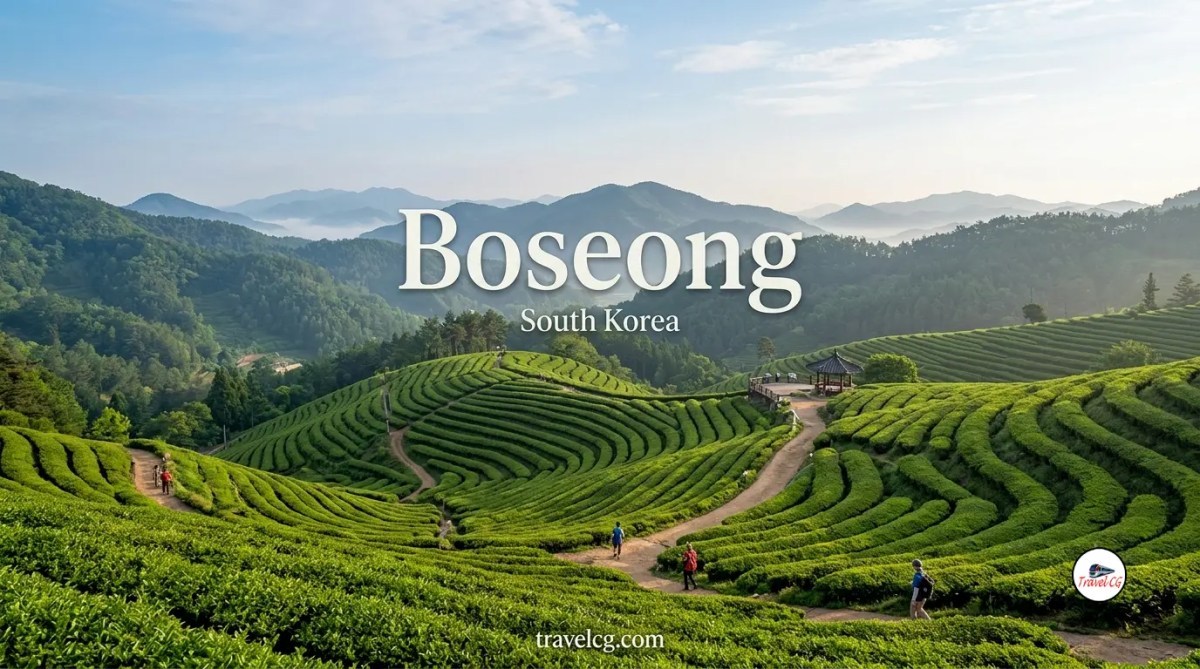
Boseong
Boseong is famous for its green tea plantations.
Rolling tea fields make it one of the most photogenic countryside destinations in southern Korea.
Jeonju
Jeonju is renowned for its traditional architecture, food, and Hanok Village.
It makes an excellent addition to a southwestern Korea itinerary.
Mokpo
Mokpo offers coastal scenery, islands, museums, seafood, and access to the southwestern coast.
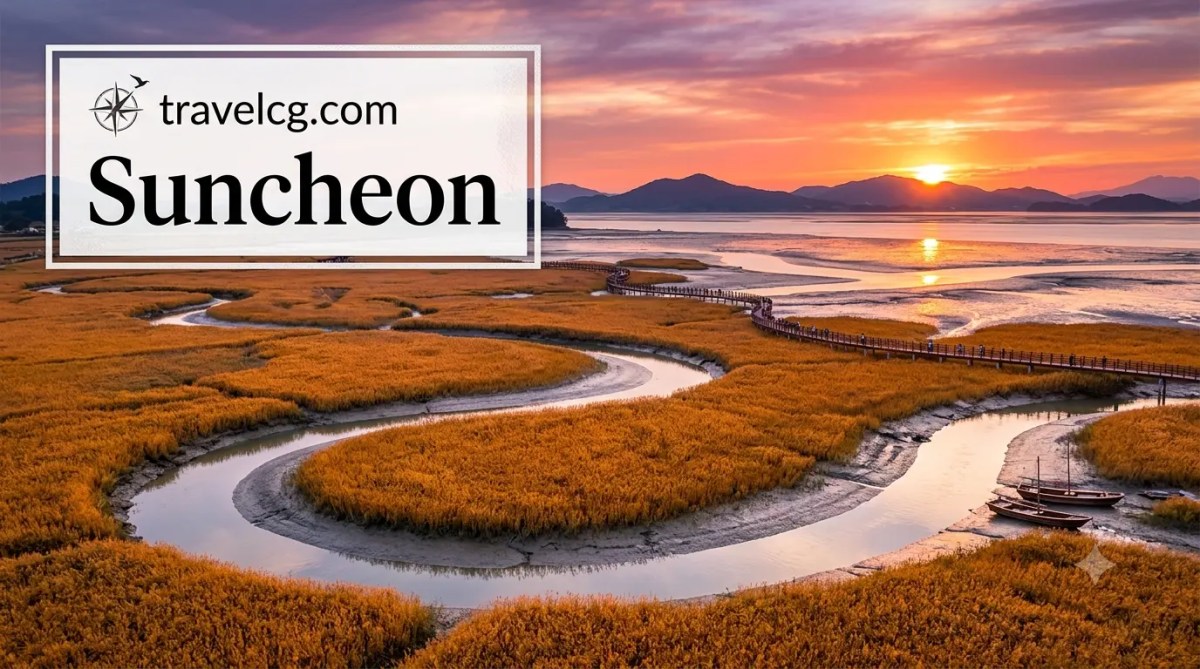
Suncheon
Suncheon is particularly famous for its wetlands and gardens.
It is a strong choice for nature lovers.
Yeosu
Yeosu combines ocean scenery, islands, coastal attractions, seafood, and nighttime views.
It works well as part of a longer southwestern Korea trip.
Gwangju for Different Types of Travelers
For history lovers
Gwangju is an excellent destination.
Prioritize the May 18 sites, museums, historic neighborhoods, and cultural institutions.
For nature lovers
Spend more time around Mudeungsan and Gwangju’s parks and ecological areas.
Consider extending your trip to nearby mountains, wetlands, tea plantations, and coastal destinations.
For food lovers
Give yourself plenty of time for traditional restaurants and markets.
Gwangju’s cuisine can be one of the major reasons to visit.
For photographers
Your best subjects include:
- Mudeungsan
- Yangnim-dong
- Penguin Village
- Traditional markets
- Sajik Park
- Gwangju’s night skyline
- Autumn landscapes
- Traditional Korean food
For families
Choose parks, cultural attractions, markets, museums, and easy walking routes.
Avoid overly demanding mountain trails if traveling with young children.
For solo travelers
Gwangju can be rewarding for independent travelers because it combines cultural attractions with relatively easy urban exploration.
Shopping in Gwangju
Gwangju offers several different shopping experiences.
You can find:
- Korean fashion
- Cosmetics
- Local snacks
- Traditional crafts
- Souvenirs
- Art products
- Market foods
- Specialty regional products
Traditional markets are generally more interesting for authentic local products, while modern shopping districts are better for fashion and contemporary Korean brands.
Festivals and Events
Gwangju hosts cultural and artistic events throughout the year.
The city’s event calendar can change annually, so travelers should check current schedules before planning a trip around a particular festival.
The city is particularly associated with:
- Art events
- Cultural festivals
- Food-related events
- Traditional performances
- Film and media arts
- Democracy-related commemorations
Is Gwangju Expensive?
Compared with Seoul’s most expensive tourist areas, Gwangju can offer good value.
Your budget will depend mainly on accommodation, food choices, transportation, and activities.
Budget traveler
Choose:
- Guesthouses
- Local restaurants
- Public transportation
- Markets
- Free parks
- Walking tours
Mid-range traveler
Choose:
- Comfortable hotels
- Restaurants
- Taxis when convenient
- Museums and cultural attractions
- Occasional cafés
Luxury traveler
You can choose higher-end hotels, fine dining, private transportation, and premium cultural experiences, although Gwangju has a less concentrated luxury-tourism market than Seoul.
Gwangju Travel Tips
Learn a few Korean words
Even basic Korean can make travel easier.
Useful expressions include:
- Annyeonghaseyo — Hello
- Gamsahamnida — Thank you
- Juseyo — Please give me
- Eolmayeyo? — How much is it?
- Hwajangsil eodi-yeyo? — Where is the restroom?
- Yeong-eo haseyo? — Do you speak English?
Carry a translation app
English availability varies.
A translation app can be especially useful in traditional restaurants and smaller businesses.
Wear comfortable shoes
Gwangju involves plenty of walking, and mountain attractions require proper footwear.
Respect historical sites
When visiting May 18-related memorials and cemeteries, maintain a respectful attitude.
Check weather before hiking
Mountain weather can change rapidly.
Always check current conditions before starting a longer Mudeungsan hike.
Carry some cash
Cards are widely used in Korea, but having some cash can still be useful for markets and small establishments.
Suggested 2-Day Gwangju Itinerary
Day 1: History, Culture and Food
Start your morning at the Asia Culture Center.
Continue toward May 18 Democracy Square and explore central Gwangju.
Spend the afternoon walking through Gwangju Art Street and the surrounding downtown area.
Later, explore local restaurants and try traditional Namdo cuisine.
Finish the evening with a relaxed walk through the central city.
Day 2: Nature and Local Life
Start early and visit Mudeungsan National Park.
Spend several hours hiking or enjoying the mountain scenery.
Return to the city and visit Yangnim-dong History and Culture Village and Penguin Village.
In the evening, head toward 1913 Songjeong Station Market for food and shopping.
This itinerary provides a good balance between Gwangju’s natural, historical, cultural, and culinary sides.
Suggested 3-Day Gwangju Itinerary
Day 1
- Asia Culture Center
- May 18 Democracy Square
- Chungjang-ro
- Gwangju Art Street
- Traditional Korean dinner
Day 2
- Mudeungsan
- Gwangjuho Lake Eco Park
- Yangnim-dong
- Penguin Village
- Evening market
Day 3
Choose between:
- A relaxed city day
- Additional museums and galleries
- A food-focused itinerary
- Damyang day trip
- Boseong day trip
- Another nearby destination
Is Gwangju Worth Visiting?
Absolutely, especially if you want to experience a side of South Korea beyond Seoul and Busan.
Gwangju’s strongest qualities are its history, regional cuisine, art, mountain scenery, cultural identity, and access to southwestern Korea.
The city does not depend on one single attraction. Instead, its appeal comes from the combination of experiences: eating traditional food, walking through historic neighborhoods, understanding modern Korean history, exploring contemporary culture, hiking Mudeungsan, and discovering everyday Korean city life.
For first-time visitors to South Korea with limited time, Seoul and Busan may naturally take priority. But travelers who have several additional days—or who have already visited the major Korean tourist cities—should strongly consider Gwangju.
It is particularly rewarding for travelers interested in history and democracy, Korean food, hiking, art, photography, traditional neighborhoods, and less-touristy destinations.
Gwangju’s official tourism information itself highlights a broad combination of attractions, including Mudeungsan, the Asia Culture Center, Yangnim-dong, 1913 Songjeong Station Market, Sajik Park, the National 5·18 Democratic Cemetery, and other historical and cultural sites.
Final Thoughts
Gwangju is a city that becomes more interesting the longer you stay.
At first, it may appear to be simply another major Korean city. But once you explore its neighborhoods, taste its food, walk through its cultural districts, learn about its democratic history, and look toward Mudeungsan from the city, its distinctive character becomes clear.
For a well-rounded visit, plan for at least two days. Three days is even better if you want to combine Gwangju with nearby countryside or take a day trip.
Whether your interests are Korean history, culture, food, mountains, art, photography, markets, or authentic local experiences, Gwangju deserves a place on a southwestern South Korea itinerary.




Leave a Reply