

Yogyakarta, often called Jogja, is one of Indonesia’s most fascinating destinations. Located on the island of Java, this historic city is famous for its royal heritage, ancient temples, traditional arts, delicious cuisine, and warm hospitality. Unlike many modern cities, Yogyakarta has successfully preserved its rich Javanese culture while embracing tourism and contemporary lifestyles.
Whether you are a history enthusiast, adventure seeker, photographer, foodie, or someone looking to experience authentic Indonesian culture, Yogyakarta offers an unforgettable journey. It is also considered one of the best gateways to explore Java’s famous UNESCO World Heritage Sites, including Borobudur and Prambanan.
This guide covers everything you need to know before visiting Yogyakarta.
Why Visit Yogyakarta?
Yogyakarta is often described as the cultural capital of Indonesia. Unlike Bali, which is known for beaches and nightlife, Yogyakarta focuses on history, traditions, architecture, education, and local experiences.
Visitors come here to:
- Explore centuries-old royal palaces
- Visit UNESCO World Heritage temples
- Watch traditional Javanese performances
- Taste authentic Indonesian cuisine
- Shop for handmade batik products
- Experience local markets
- Discover volcanic landscapes
- Learn about Indonesian history
Its friendly atmosphere and affordable prices make it popular among backpackers, families, students, and luxury travelers alike.
Where is Yogyakarta?
Yogyakarta is located in the Special Region of Yogyakarta on the southern part of Central Java Island.
It lies approximately:
- 560 km from Jakarta
- 330 km from Surabaya
- Around one hour by air from Bali
The city is surrounded by volcanoes, forests, rivers, and beautiful countryside, making it an ideal destination for both cultural and outdoor adventures.
Best Time to Visit Yogyakarta
The city has a tropical climate throughout the year.
Dry Season (April to October)
This is considered the best time to visit because:
- Pleasant weather
- Less rainfall
- Better sightseeing conditions
- Ideal for temple visits
- Perfect for photography
Rainy Season (November to March)
Rain showers become more frequent, but tourism continues.
Advantages include:
- Lush green landscapes
- Smaller crowds
- Lower accommodation prices
- Cooler evenings after rainfall
Morning sightseeing is usually recommended during the rainy months.
How to Reach Yogyakarta
By Air
The city is served by an international airport connected to major Indonesian cities and several international destinations.
Flights regularly arrive from:
- Jakarta
- Bali
- Surabaya
- Singapore
- Kuala Lumpur
By Train
Indonesia’s railway network offers scenic train journeys from Jakarta, Bandung, Surabaya, and other cities.
Many travelers consider the train one of the most enjoyable ways to reach Yogyakarta.
By Bus
Long-distance buses connect the city with nearly every major destination across Java.
Getting Around the City
Transportation options include:
- Ride-hailing apps
- Taxis
- Local buses
- Motorbike rentals
- Bicycle rentals
- Car rentals with drivers
- Traditional horse carts
- Pedicabs
Walking is also enjoyable in many tourist districts.
History of Yogyakarta
Yogyakarta has been an important cultural center for centuries.
The city became the seat of the Sultanate of Yogyakarta during the 18th century after the division of the Mataram Kingdom.
Today, it remains one of Indonesia’s few regions still governed by a hereditary Sultan, making it unique within the country.
The Sultan continues to play an important cultural and ceremonial role while also serving as the regional governor.
Top Attractions in Yogyakarta
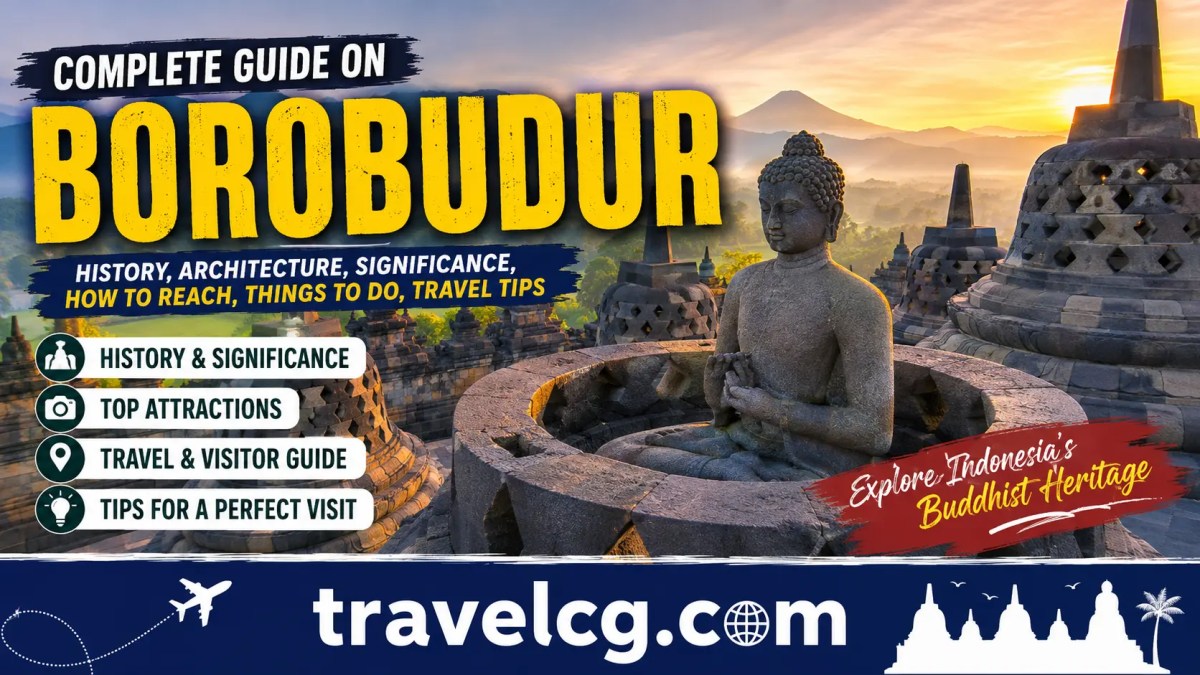
Borobudur Temple
One of the world’s largest Buddhist monuments, Borobudur is famous for:
- Massive stone architecture
- Thousands of relief carvings
- Hundreds of Buddha statues
- Sunrise viewpoints
- UNESCO World Heritage status
The temple is considered one of Southeast Asia’s greatest historical landmarks.
Prambanan Temple
Prambanan is Indonesia’s largest Hindu temple complex.
Highlights include:
- Beautiful stone carvings
- Towering temple structures
- Hindu mythology
- Evening Ramayana Ballet performances
- Spectacular sunset views
Kraton (Sultan’s Palace)
The royal palace remains the residence of the Sultan.
Visitors can explore:
- Traditional architecture
- Museums
- Royal artifacts
- Cultural performances
- Historical exhibitions
It offers an excellent introduction to Javanese royal traditions.
Taman Sari Water Castle
Originally built as a royal garden and bathing complex, Taman Sari features:
- Underground tunnels
- Elegant pools
- Historic buildings
- Ancient architecture
- Photography spots
Its peaceful atmosphere attracts visitors from around the world.
Malioboro Street
This is Yogyakarta’s most famous shopping street.
Here you’ll find:
- Batik clothing
- Local handicrafts
- Street food
- Souvenirs
- Cafes
- Live music
- Traditional snacks
The street becomes especially lively during the evening.
Mount Merapi
Mount Merapi is one of Indonesia’s most active volcanoes.
Popular activities include:
- Jeep lava tours
- Hiking
- Volcano museums
- Photography
- Village visits
The surrounding landscapes are incredibly beautiful.
Jomblang Cave
Adventure lovers enjoy exploring this vertical cave famous for:
- Sunlight entering through the cave roof
- Underground forest
- Rope descents
- Unique geological formations
It is one of Indonesia’s most photographed natural attractions.
Timang Beach
This dramatic coastal destination is known for:
- Giant waves
- Limestone cliffs
- Traditional cable gondola
- Scenic viewpoints
It offers one of Java’s most thrilling experiences.
Local Food You Must Try
Yogyakarta is famous for its delicious cuisine.
Popular dishes include:
Gudeg
The city’s signature dish made from young jackfruit cooked slowly with coconut milk and spices.
Bakpia
A sweet pastry filled with mung bean paste.
It is one of the most popular souvenirs.
Sate Klathak
Unique grilled lamb skewers seasoned simply with salt and cooked over charcoal.
Nasi Kucing
Small rice portions served with various side dishes.
Popular among locals for affordable meals.
Ayam Goreng
Traditional Indonesian fried chicken served with rice and spicy sambal.
Es Dawet
A refreshing coconut milk dessert drink enjoyed throughout the city.
Shopping in Yogyakarta
Shopping opportunities include:
- Batik textiles
- Handmade jewelry
- Wooden carvings
- Leather goods
- Traditional masks
- Silver crafts
- Coffee
- Local spices
- Handwoven fabrics
- Indonesian snacks
Traditional markets offer authentic bargains, while modern malls provide international brands.
Arts and Culture
Yogyakarta is Indonesia’s artistic center.
Visitors can enjoy:
- Batik workshops
- Puppet shows
- Traditional dance
- Gamelan music
- Painting galleries
- Local craft villages
- Cultural festivals
- Classical Javanese performances
Many workshops allow tourists to create their own batik artwork.
Adventure Activities
Outdoor enthusiasts can enjoy:
- Volcano trekking
- Cave exploration
- River tubing
- Cycling tours
- Jeep adventures
- Hiking
- Sunrise tours
- Village cycling
- Sandboarding
- Waterfalls exploration
These activities provide a perfect balance between culture and adventure.
Family-Friendly Attractions
Families traveling with children can visit:
- Science museums
- Interactive museums
- Zoos
- Botanical gardens
- Cultural villages
- Water parks
- Educational centers
- Animal parks
Many attractions are suitable for visitors of all ages.
Nightlife
Although quieter than Bali, Yogyakarta offers enjoyable evenings through:
- Live music cafes
- Cultural performances
- Night markets
- Food streets
- Coffee shops
- Rooftop restaurants
- Traditional music venues
Most visitors prefer experiencing the city’s relaxed nighttime atmosphere rather than loud clubs.
Accommodation Options
Yogyakarta offers accommodations for every budget.
Choices include:
- Luxury hotels
- Boutique hotels
- Heritage hotels
- Family resorts
- Guesthouses
- Hostels
- Homestays
- Budget hotels
Many accommodations feature traditional Javanese architecture.
Suggested 3-Day Itinerary
Day 1
- Explore Malioboro Street
- Visit Kraton Palace
- Tour Taman Sari
- Enjoy local cuisine
Day 2
- Sunrise at Borobudur
- Visit Prambanan
- Attend Ramayana Ballet
- Shop for souvenirs
Day 3
- Mount Merapi Jeep Tour
- Local village visit
- Batik workshop
- Traditional dinner
Budget for Travelers
Yogyakarta is one of Indonesia’s most affordable tourist destinations.
Daily expenses generally include:
- Budget travelers: Low-cost hostels and local food
- Mid-range travelers: Comfortable hotels and guided tours
- Luxury travelers: Premium resorts and private transportation
Food, transportation, and attractions remain reasonably priced compared to many international destinations.
Useful Travel Tips
- Carry cash for local markets.
- Dress modestly when visiting temples.
- Wear comfortable walking shoes.
- Stay hydrated in warm weather.
- Respect local customs and traditions.
- Learn a few basic Indonesian phrases.
- Start sightseeing early to avoid crowds.
- Keep sunscreen and a hat during outdoor visits.
- Always negotiate politely in traditional markets.
- Use licensed transportation services.
Why Yogyakarta Should Be on Your Travel List
Yogyakarta is much more than a tourist destination—it’s a place where Indonesia’s history, spirituality, traditions, and creativity come together. From magnificent temples and royal palaces to volcanic adventures and flavorful local cuisine, every corner of the city tells a unique story.
Whether you are traveling for culture, photography, food, adventure, or relaxation, Yogyakarta offers experiences that are both authentic and memorable. Its welcoming people, affordable travel costs, rich heritage, and incredible attractions make it one of the most rewarding destinations in Southeast Asia. A visit to Yogyakarta is not just a holiday but an opportunity to discover the living heart of Javanese culture and create unforgettable travel memories.
















Leave a Reply