
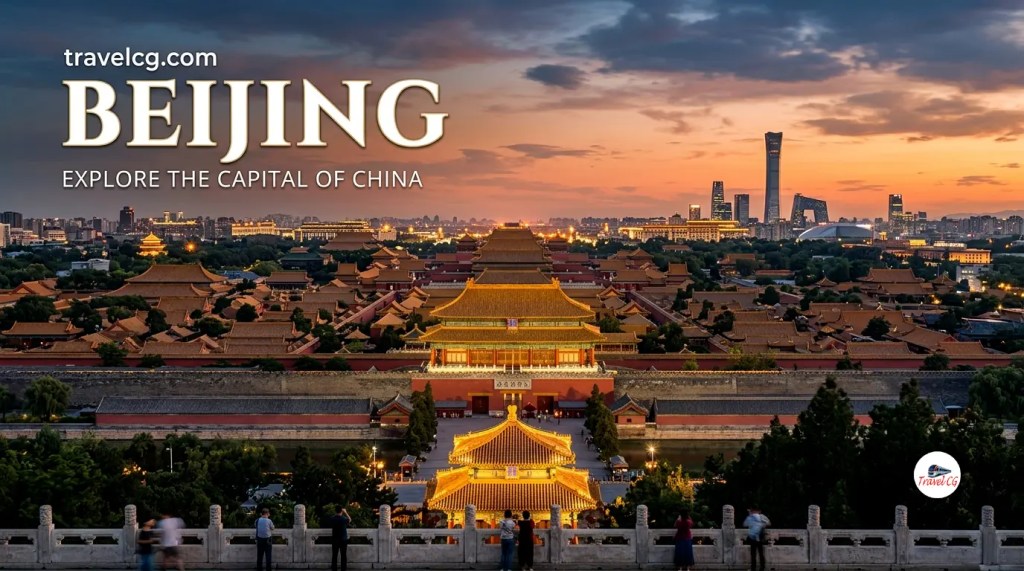
Beijing is one of the world’s great historic capitals and one of the most fascinating cities to visit in China. It combines imperial palaces, ancient temples, traditional hutongs, world-famous sections of the Great Wall, modern architecture, museums, shopping districts, parks, and an extraordinary food culture. The city can feel enormous at first, but with a sensible itinerary it is possible to experience its most important attractions without rushing.
Beijing is especially rewarding for travelers interested in history and culture. The Forbidden City, Temple of Heaven, Summer Palace, Ming Tombs and sections of the Great Wall reveal different chapters of China’s imperial past, while neighborhoods such as Shichahai, Nanluoguxiang and Qianmen provide a glimpse of traditional urban life. Modern areas such as Sanlitun and the 798 Art District show another side of the city.
The official Beijing tourism information currently highlights attractions including the Forbidden City, Badaling Great Wall, Mutianyu Great Wall, Summer Palace, Temple of Heaven, Ming Tombs, Jingshan Park and other historic and cultural destinations.
Where Is Beijing?
Beijing is the capital of China and is located in the northern part of the country. It is one of China’s four municipalities directly administered by the central government.
The city sits relatively close to the mountains to the north and west, while broad plains extend toward the east and south. This geographical setting is one reason the Great Wall sections around Beijing are so spectacular: many portions follow mountainous ridges overlooking valleys and forests.
Beijing is also an important political, cultural, educational, transportation and economic center.
Why Visit Beijing?
There are many reasons to include Beijing on a China itinerary.
The biggest attraction is its remarkable historical depth. Beijing was the imperial capital for centuries, and many important monuments remain remarkably well preserved.
Visitors can walk through enormous imperial courtyards in the Forbidden City, explore ancient religious architecture at the Temple of Heaven, stroll through traditional hutongs, climb the Great Wall, relax beside Kunming Lake at the Summer Palace and then experience modern restaurants, shopping malls and art districts in the same trip.
Beijing is also an excellent destination for food lovers. Famous local specialties include Peking duck, Beijing-style noodles with soybean paste, dumplings, steamed buns, hot pot and numerous traditional snacks.
Best Time to Visit Beijing
Beijing experiences four distinct seasons, and each offers a different travel experience.
Spring
Spring is generally one of the most pleasant periods for sightseeing. Temperatures become comfortable, parks become greener and flowers add color to the city.
March can still be cool, while April and May are usually more comfortable for outdoor sightseeing.
Spring is particularly attractive for travelers who want to combine historical attractions with parks and gardens.
Summer
Summer is warm and can be hot, with periods of rain. July and August are typically the hottest months.
The advantage of summer is that Beijing’s parks, gardens and mountain landscapes are lush and green. The disadvantage is that popular attractions can be crowded, and walking around large sites such as the Forbidden City or Great Wall can be tiring in hot weather.
If visiting in summer, start outdoor sightseeing early in the morning and carry water.
Autumn
Autumn is often considered one of the best seasons to visit Beijing.
The weather is generally comfortable, skies can be clear, and the surrounding mountains become especially attractive as foliage changes color.
September and October can be excellent months for combining city sightseeing with the Great Wall.
Winter
Winter is cold, but Beijing can be beautiful during this period. Snow occasionally transforms historic buildings, parks and sections of the Great Wall into dramatic landscapes.
Winter also tends to offer a different atmosphere from the busier tourist seasons. Travelers who do not mind cold temperatures can enjoy attractions with fewer visitors.
How Many Days Are Enough for Beijing?
The ideal length depends on your interests.
A 2-day trip can cover the major central attractions, but it will feel rushed.
A 3-day trip is suitable for first-time visitors who want to see the Forbidden City, Temple of Heaven, Great Wall and another major attraction.
A 4-5 day trip is much better for a first visit because you can explore the major sights while also experiencing hutongs, local food, parks and modern Beijing.
A 7-day trip allows you to travel more slowly and include less-touristed neighborhoods, museums, additional Great Wall sections and possible day trips.
For most first-time travelers, 4 to 5 days is a good balance.
Top Places to Visit in Beijing
Beijing has an enormous number of attractions, but several deserve priority on almost every first-time itinerary.
Forbidden City
The Forbidden City, officially known as the Palace Museum, is Beijing’s most famous historic attraction.
It was constructed during the Ming Dynasty and became the imperial palace for the Ming and Qing dynasties. Beijing’s official tourism information describes it as the former home of 24 Ming and Qing emperors and notes that the complex was completed in 1420.
The complex contains enormous courtyards, ceremonial halls, residential areas, gardens, gates and museums.
The main structures are arranged along a central north-south axis. The scale can be difficult to appreciate until you walk through the gates yourself.
Allow several hours for a meaningful visit.
Because the Forbidden City is extremely popular, travelers should check the current ticketing and reservation rules before visiting and plan ahead rather than assuming tickets will be available at the entrance.
Tiananmen Square
Tiananmen Square lies immediately south of the Forbidden City and is one of the most recognizable public spaces in China.
The square is surrounded by major national landmarks and is an important location in China’s modern history.
A visit to Tiananmen Square is commonly combined with the Forbidden City because the two attractions are directly connected geographically.
Visitors should check current entry and reservation requirements before going because access procedures can change.
Temple of Heaven
The Temple of Heaven is one of Beijing’s most impressive architectural and religious landmarks.
During the Ming and Qing dynasties, emperors used the complex for ceremonies dedicated to Heaven and prayers for good harvests. The site covers approximately 273 hectares and includes the famous Hall of Prayer for Good Harvests, the Imperial Vault of Heaven and the Circular Mound Altar.
The Temple of Heaven is more than a collection of historic buildings. Its surrounding park is also an important part of the experience.
In the morning, visitors can often see local residents exercising, practicing tai chi, dancing, playing traditional instruments or socializing.
Early morning is therefore an excellent time to experience the atmosphere of the park.
Great Wall of China
No first trip to Beijing is complete without visiting the Great Wall.
Several sections can be reached from Beijing, and they offer very different experiences.
Mutianyu Great Wall
Mutianyu is an excellent choice for travelers who want beautiful scenery, restored architecture and a manageable hiking experience.
It is surrounded by mountains and forests, making it particularly attractive during spring and autumn.
The Beijing tourism authority describes Mutianyu as one of the finest surviving Ming-era sections of the Great Wall.
Badaling Great Wall
Badaling is one of the most famous and accessible sections.
It is located northwest of central Beijing and is particularly popular with first-time visitors and travelers looking for a well-developed tourist facility.
Because of its popularity, it can become very busy.
Jinshanling Great Wall
Jinshanling is a good option for travelers more interested in hiking and scenery.
It offers dramatic mountain views and a different atmosphere from the heavily visited sections closer to Beijing.
Jiankou Great Wall
Jiankou is known for rugged terrain and dramatic scenery.
It is better suited to experienced hikers and travelers who understand that sections of the wall can be challenging.
Do not choose a Great Wall section simply because it looks spectacular in photographs. Consider your fitness level, transport arrangements, weather and available time.
Summer Palace
The Summer Palace is one of Beijing’s great imperial garden complexes.
Its landscape combines Kunming Lake, Longevity Hill, traditional buildings, bridges, gardens and long covered walkways.
The official Beijing tourism site describes the Summer Palace as a major imperial garden, with a large proportion of its grounds occupied by water.
It is considerably larger than many visitors expect, so avoid planning it as a quick one-hour stop.
A relaxed visit can take several hours.
The Summer Palace is especially attractive in spring and autumn, although each season gives the landscape a different character.
Jingshan Park
Jingshan Park is located immediately north of the Forbidden City.
The park’s elevated viewpoint provides one of the classic panoramas over the imperial palace complex and central Beijing.
It is an excellent place to visit after the Forbidden City because you can understand the palace’s enormous scale from above.
Sunset can be particularly attractive when weather conditions are favorable.
Beihai Park
Beihai Park is one of Beijing’s historic imperial gardens.
The park contains a large lake, traditional gardens, temples, bridges and the famous White Dagoba.
It offers a quieter contrast to some of the city’s busiest historic attractions.
A visit can be combined with Jingshan Park and nearby hutong neighborhoods.
Hutongs of Beijing
Hutongs are traditional alleyway neighborhoods that provide a different experience from Beijing’s monumental attractions.
These narrow lanes historically developed around courtyard residences and became an important part of traditional Beijing urban life.
Some hutongs are now heavily commercialized, while others remain more residential.
Popular areas include:
- Nanluoguxiang
- Shichahai
- Houhai
- Wudaoying Hutong
- Guozijian area
- Dongsi hutongs
Walking through hutongs is one of the best ways to slow down and experience a more human-scale side of Beijing.
Look for traditional courtyard homes, small restaurants, cafes, local shops and neighborhood life.
Shichahai and Houhai
Shichahai is a historic lakeside area in central Beijing.
The combination of water, traditional buildings, hutongs, restaurants and nightlife makes it a pleasant area for an afternoon or evening.
Houhai is particularly popular after dark.
A walk around the lake can be combined with nearby hutong exploration.
Lama Temple
The Lama Temple, also called Yonghe Temple, is one of Beijing’s best-known Buddhist temples.
It contains beautiful traditional architecture, courtyards, incense burners and religious artwork.
It is particularly interesting for visitors who want to understand Beijing’s religious and cultural heritage beyond imperial palaces.
Confucius Temple and Imperial College
The Beijing Confucius Temple and Imperial College are located close to the Lama Temple.
This area is particularly interesting for travelers interested in Chinese education, philosophy and intellectual history.
The Imperial College was historically connected with China’s traditional education system and the training of scholars.
Together, these attractions make a useful cultural stop in northeastern central Beijing.
798 Art District
Beijing is not only about ancient history.
The 798 Art District represents the city’s contemporary creative culture.
The area developed in a former industrial complex and now contains galleries, studios, design spaces, cafes, restaurants, shops and public art.
The official Beijing tourism information lists the 798·751 Zone as a major creative and cultural area with hundreds of businesses and organizations.
It is a good place to visit if you want a break from traditional architecture.
Olympic Park
Beijing’s Olympic Park contains several landmarks associated with the 2008 Olympic Games.
The National Stadium, commonly called the Bird’s Nest, and the National Aquatics Center, often called the Water Cube, are among the best-known structures.
The area is especially interesting in the evening when the architecture is illuminated.
The park also reflects Beijing’s modern architectural identity.
National Museum of China
The National Museum of China is located near Tiananmen Square.
It is an excellent destination for travelers interested in Chinese history, archaeology, art and culture.
Because the museum is large, visitors should identify the exhibitions they most want to see rather than attempting to cover everything in a single visit.
Ming Tombs
The Ming Tombs are located outside central Beijing in the Changping area.
The complex contains mausoleums associated with 13 emperors of the Ming Dynasty. Beijing’s official tourism information identifies the Ming Tombs as one of the city’s major historic attractions.
They can be combined with a Great Wall visit depending on your route and transportation arrangements.
Old Summer Palace
The Old Summer Palace, or Yuanmingyuan, was once an enormous imperial garden complex.
Today, visitors mainly encounter ruins, landscape features and remnants of the former gardens.
The site offers a different experience from the beautifully preserved Summer Palace because its atmosphere is strongly connected with historical loss and destruction.
It is worthwhile for travelers interested in Chinese history and imperial-era garden design.
Qianmen
Qianmen is one of the historic commercial areas near the southern part of central Beijing.
The area combines traditional architecture, restaurants, shops and pedestrian streets.
It can be particularly enjoyable in the evening.
Qianmen also works well as part of a central Beijing itinerary that includes Tiananmen Square and other attractions along the historic central axis.
Beijing Central Axis
One of the best ways to understand Beijing is to think about its historic central axis.
Major landmarks are arranged along or near a north-south line running through the old city.
Important sights connected with this historical urban structure include Tiananmen, the Forbidden City, Jingshan Park and areas farther north toward the Drum and Bell Towers.
The axis reflects the importance of symmetry, hierarchy and ceremonial planning in traditional imperial Beijing.
Beijing’s Famous Food
Food is an essential part of any Beijing trip.
Peking Duck
Peking duck is Beijing’s most internationally famous dish.
Traditionally, the duck is roasted until the skin becomes crisp and is served with thin pancakes, sauces and accompaniments.
Trying Peking duck in Beijing is an experience rather than simply eating another restaurant meal.
Zhajiangmian
Zhajiangmian is a traditional Beijing noodle dish served with a rich soybean-based sauce and various vegetables.
It is filling, inexpensive and closely associated with northern Chinese cuisine.
Jiaozi
Dumplings are widely available throughout Beijing.
They can be steamed, boiled or prepared in other styles and are an easy choice when looking for a quick meal.
Beijing Hot Pot
Hot pot is another popular dining experience.
Thinly sliced meat, vegetables, tofu and other ingredients are cooked in a simmering broth at the table.
Baozi
Baozi are steamed buns filled with ingredients such as meat or vegetables.
They are especially convenient for breakfast or a quick snack.
Beijing Snacks
Traditional Beijing snack culture includes numerous noodles, pastries, dumplings, buns, meat dishes and other regional specialties.
Exploring food markets and traditional neighborhoods can be just as rewarding as visiting famous restaurants.
Best Areas to Stay in Beijing
Choosing the right neighborhood can make a significant difference to your trip.
Dongcheng
Dongcheng is one of the best choices for first-time visitors who want to stay close to major historic attractions.
The Forbidden City, Temple of Heaven, Qianmen and many traditional neighborhoods are within the broader district.
Wangfujing
Wangfujing is a major commercial and shopping area.
It is convenient for travelers who want restaurants, shopping and access to central attractions.
Shichahai
Shichahai is attractive for visitors who prefer historic surroundings, lakeside scenery and hutongs.
It also offers convenient access to several traditional neighborhoods.
Sanlitun
Sanlitun is better suited to travelers interested in modern Beijing, restaurants, shopping, nightlife and international amenities.
Haidian
Haidian is associated with universities, technology and several important attractions including the Summer Palace area.
It can be useful for longer stays or visitors with specific interests in western Beijing.
Getting Around Beijing
Beijing has a large and extensive public transportation system.
Beijing Subway
The subway is one of the most useful ways to travel around the city.
It connects major tourist districts, railway stations and many attractions.
For visitors, the subway can often be faster and more predictable than road traffic.
Buses
Public buses cover large areas of the city.
However, they can be less convenient for first-time international visitors because routes and stops may require more familiarity with the city.
Taxis and Ride-Hailing
Taxis and app-based ride-hailing services can be useful, particularly when traveling with luggage or visiting attractions outside central Beijing.
Traffic can be heavy, so allow extra time.
Walking
Walking is excellent for exploring compact historic areas such as hutongs, Qianmen and sections around the Forbidden City.
However, Beijing is enormous. Do not assume that two attractions that look close on a map are necessarily a short walk apart.
Beijing Transportation Tips
Beijing is a city where planning transportation in advance can save considerable time.
Group attractions geographically instead of crossing the entire city repeatedly.
For example, a day can be organized around the Forbidden City, Jingshan Park and nearby historic neighborhoods.
Another day can focus on the Temple of Heaven and southern central Beijing.
The Summer Palace and Great Wall should generally receive dedicated time rather than being squeezed between several distant attractions.
Beijing Airport
Beijing is served by major international and domestic aviation facilities, with Beijing Capital International Airport and Beijing Daxing International Airport serving the metropolitan area.
Your choice of airport can affect your transfer time considerably.
Before booking accommodation, check which airport your flight uses.
Beijing Railway Stations
Beijing is one of China’s most important railway hubs.
High-speed trains connect the capital with many major cities across China.
Travelers planning a wider China itinerary can consider destinations such as Shanghai, Xi’an, Tianjin and other cities by rail.
Beijing’s railway network is particularly useful for combining the capital with other major Chinese destinations.
How to Plan a 3-Day Beijing Trip
A three-day itinerary should focus on the most important experiences.
Day 1: Imperial Beijing
Start with Tiananmen Square and the Forbidden City.
After exploring the palace complex, continue to Jingshan Park for a panoramic view.
Spend the evening around a traditional neighborhood or Qianmen.
Day 2: Great Wall
Dedicate most of the day to the Great Wall.
Choose one section rather than trying to visit several.
Mutianyu is a strong choice for many first-time visitors, while Badaling is convenient and highly developed.
Return to Beijing in the evening and have a traditional dinner.
Day 3: Temple and Gardens
Visit the Temple of Heaven in the morning.
Later, explore the Summer Palace.
If you have enough time, finish the day in a hutong or lakeside area such as Shichahai.
How to Plan a 5-Day Beijing Trip
A five-day itinerary gives you more breathing room.
Day 1
Tiananmen Square, Forbidden City and Jingshan Park.
Day 2
Mutianyu or Badaling Great Wall.
Day 3
Temple of Heaven, Qianmen and traditional neighborhoods.
Day 4
Summer Palace and Old Summer Palace.
Day 5
Lama Temple, hutongs, Shichahai, 798 Art District or Olympic Park.
This itinerary can be adjusted according to your interests.
Beijing for Families
Beijing can be an excellent family destination.
Children may particularly enjoy the Great Wall, Beijing Zoo, Beijing Aquarium, Olympic Park, parks and interactive museums.
However, remember that some historical attractions require considerable walking.
The Forbidden City is enormous, and the Great Wall can involve steep steps.
Families should avoid scheduling too many major attractions in a single day.
Beijing for Couples
Couples can enjoy Beijing’s historic architecture, parks, hutongs, lakeside areas and restaurants.
A sunset or evening walk around Shichahai can be particularly pleasant.
Other possibilities include exploring traditional neighborhoods, enjoying a Peking duck dinner or visiting illuminated modern architecture around the Olympic Park.
Beijing for Solo Travelers
Beijing is well suited to independent travelers who enjoy history, food and urban exploration.
The subway makes independent sightseeing easier, while hutongs provide countless opportunities for wandering.
Solo travelers should still plan major attractions carefully because some require advance reservations and identity documentation.
Shopping in Beijing
Beijing offers everything from traditional handicrafts to luxury shopping malls.
Popular shopping areas include Wangfujing, Sanlitun, Qianmen and various traditional commercial streets.
Travelers interested in souvenirs can look for tea, traditional crafts, Chinese-style decorative items, calligraphy-related products and locally produced snacks.
Be cautious about buying antiques or culturally significant artifacts and understand the applicable export rules before purchasing anything valuable.
Beijing Nightlife
Beijing’s nightlife is diverse.
Visitors can choose from quiet tea houses, traditional performances, restaurants, bars, live music venues and modern entertainment districts.
Sanlitun is one of the best-known areas for contemporary nightlife.
Shichahai and Houhai offer a different atmosphere, combining restaurants and evening walks beside the water.
Traditional Beijing Culture
Beijing’s culture is deeply connected with imperial history, traditional architecture, northern Chinese cuisine and performing arts.
Visitors may encounter:
- Peking opera
- Traditional tea culture
- Calligraphy
- Chinese musical instruments
- Temple traditions
- Martial arts
- Traditional courtyard architecture
- Hutong neighborhood culture
- Traditional food preparation
Experiencing at least one cultural performance or activity can make a Beijing visit more memorable.
Beijing’s Architecture
One of the city’s defining characteristics is the contrast between old and new architecture.
Traditional Beijing features:
- Imperial palace architecture
- Courtyard houses
- Temple complexes
- Decorative gates
- Traditional tiled roofs
- Historic towers
- Garden architecture
Modern Beijing features:
- Skyscrapers
- Contemporary museums
- Olympic architecture
- Large shopping complexes
- Creative industrial spaces
This contrast is visible throughout the city.
Beijing Central Axis and Historic Planning
Beijing’s historic layout was designed around principles of symmetry and hierarchy.
The central axis helped organize imperial and ceremonial spaces.
The Forbidden City sits at the heart of this historic arrangement, while important gates, squares, parks and towers extend north and south.
Understanding this urban design makes sightseeing more meaningful because individual monuments become part of a larger historical landscape.
How Much Does a Beijing Trip Cost?
The cost of visiting Beijing varies greatly depending on accommodation, transportation, dining style and attraction choices.
A budget traveler can reduce expenses by staying in affordable accommodation, using public transportation and eating at local restaurants.
A mid-range traveler can choose a comfortable hotel, use a mixture of subway and taxis and eat at a combination of casual and specialty restaurants.
Luxury travelers can spend considerably more on high-end hotels, private transportation, fine dining and exclusive experiences.
Entrance fees are only one part of the overall budget. Accommodation and transportation can have a much greater impact on total costs.
Because ticket prices, reservation systems and transportation fares can change, check the current information for each attraction before your trip.
Internet and Mobile Connectivity
International travelers should prepare their digital connectivity before arriving in China.
Some international websites and applications may be inaccessible or operate differently within mainland China.
Travelers should research current connectivity arrangements before departure and make sure important information such as hotel details, reservation confirmations, maps and transportation information is available offline.
Do not depend entirely on one application or online service.
Money and Payments
Mobile payments are extremely important in modern Chinese cities, including Beijing.
International visitors should investigate which payment methods are currently supported for foreign travelers and set them up before traveling.
It is also sensible to carry some backup payment method.
Keep your passport and important travel documents secure, especially when moving between busy attractions and transport hubs.
Language Tips
Mandarin Chinese is the dominant language in Beijing.
English is more commonly encountered in major hotels, international businesses and popular tourist areas than in smaller local establishments.
Learning a few basic Chinese expressions can make everyday interactions easier.
Useful words include:
- Hello
- Thank you
- Excuse me
- How much?
- Where?
- Please
- Yes
- No
Having the Chinese name or address of your hotel and major destinations available on your phone can also be extremely useful.
What to Pack for Beijing
What you pack depends heavily on the season.
Spring
Pack layers, comfortable walking shoes and protection from occasional cool or windy weather.
Summer
Pack lightweight clothing, sunscreen, a hat, comfortable walking shoes and rain protection.
Autumn
Bring layers and comfortable footwear. Temperatures can change considerably between morning and evening.
Winter
Warm clothing is essential. A winter coat, gloves, hat and suitable footwear can make outdoor sightseeing much more comfortable.
Regardless of season, comfortable shoes are among the most important things to pack because Beijing sightseeing involves substantial walking.
Beijing Travel Safety
Beijing is generally considered a major international city with extensive tourist infrastructure.
Nevertheless, ordinary travel precautions are sensible.
Keep valuable items secure in crowded areas, pay attention to your belongings on public transportation and avoid unofficial transportation or suspicious tour offers.
When hiking the Great Wall, follow marked routes and take weather conditions seriously.
The Great Wall can include steep and uneven sections, and conditions can change rapidly in mountainous areas.
Common Mistakes to Avoid
One of the biggest mistakes is trying to see everything in a single day.
Beijing is too large for that.
Another mistake is underestimating the size of attractions.
The Forbidden City, Summer Palace and Great Wall can each consume several hours.
Other common mistakes include:
- Not checking advance reservation requirements
- Planning too many distant attractions on one day
- Visiting the Great Wall without considering fitness level
- Forgetting that weather changes by season
- Relying entirely on internet access
- Not carrying essential identification
- Ignoring local transportation conditions
- Choosing accommodation without considering subway access
- Spending the entire trip only around major tourist attractions
Tips for a Better Beijing Experience
Start major outdoor attractions early.
Group attractions by location.
Reserve popular attractions as early as the current system allows.
Wear comfortable shoes.
Keep your daily itinerary flexible.
Try local food rather than eating only familiar international dishes.
Spend some time walking through traditional neighborhoods.
Do not treat Beijing only as a collection of monuments. Some of the city’s most memorable moments happen while walking through an ordinary neighborhood, sitting in a local restaurant or watching people gather in a park.
Best Experiences in Beijing
For a first-time visitor, the following experiences are particularly worthwhile:
- Walk through the Forbidden City.
- See Beijing from Jingshan Park.
- Visit the Great Wall.
- Explore the Temple of Heaven.
- Spend several hours at the Summer Palace.
- Walk through a traditional hutong.
- Explore Shichahai in the evening.
- Try authentic Peking duck.
- Visit a traditional temple.
- Experience modern Beijing around the Olympic Park or 798 Art District.
- Visit a museum.
- Try traditional Beijing noodles or dumplings.
- Explore Qianmen.
- Watch or experience a traditional Chinese cultural performance.
- Spend at least one morning in a local park.
Best Beijing Itinerary for First-Time Visitors
If you have five days and want a balanced trip, a practical plan is:
Day 1: Tiananmen Square → Forbidden City → Jingshan Park → evening in a traditional neighborhood
Day 2: Great Wall → return to Beijing → relaxed dinner
Day 3: Temple of Heaven → Qianmen → hutong exploration → Shichahai
Day 4: Summer Palace → Old Summer Palace → relaxed evening
Day 5: Lama Temple → Confucius Temple and Imperial College → 798 Art District or Olympic Park
This gives you a mixture of imperial history, ancient culture, traditional neighborhoods, nature, food and modern Beijing.
Beijing as a Starting Point for China Travel
Beijing is also an excellent starting point for exploring China.
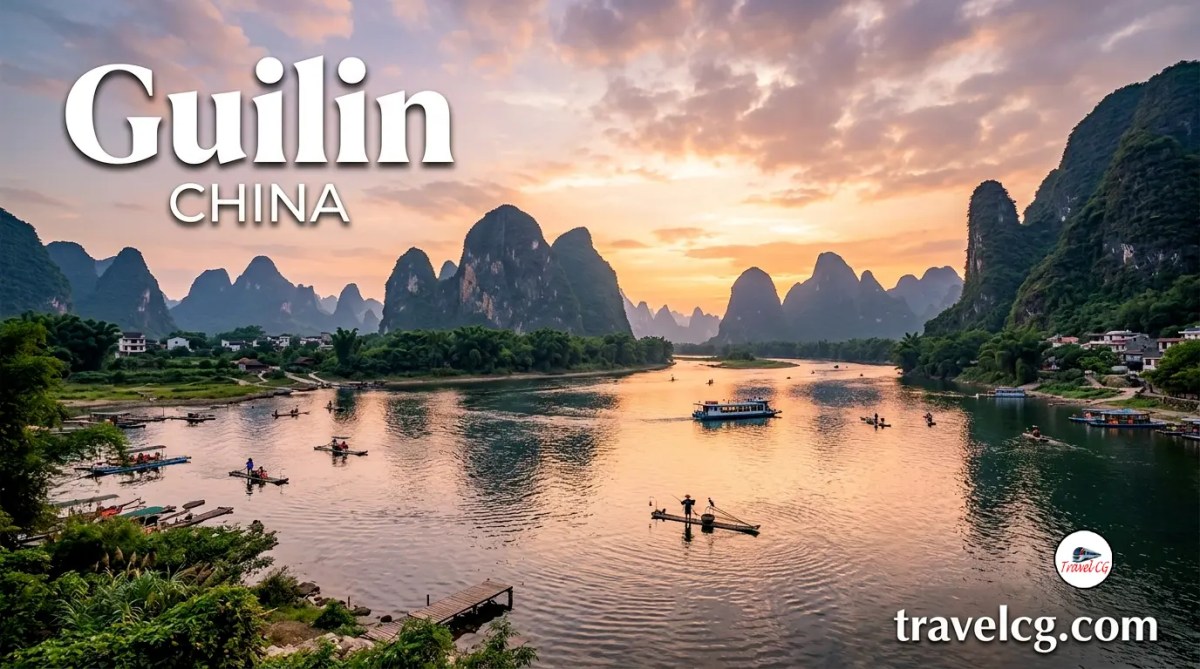
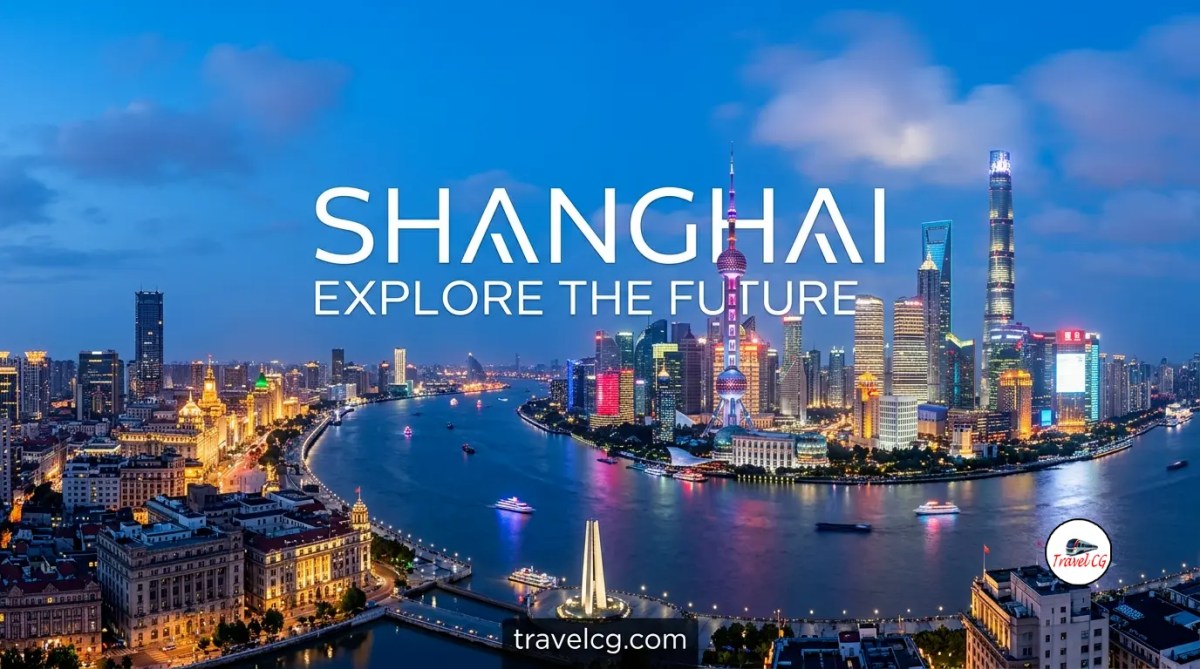
After Beijing, travelers can continue to destinations such as Xi’an, Shanghai, Chengdu, Guilin, Hangzhou, Suzhou, Chongqing and many other cities.
High-speed rail makes multi-city itineraries increasingly practical.
A longer China itinerary might therefore begin with several days in Beijing before continuing to another major destination.
Frequently Asked Questions About Beijing
Is Beijing worth visiting?
Yes. Beijing is one of the best destinations in China for travelers interested in history, culture, architecture, food and major landmarks.
How many days should I spend in Beijing?
Four to five days is a good choice for a first visit. Three days can cover the highlights, while a week allows a much deeper experience.
What is the most famous attraction in Beijing?
The Forbidden City is probably the city’s most iconic historic attraction, while the Great Wall is the most internationally recognizable attraction associated with Beijing.
Should I visit Badaling or Mutianyu?
Both are good choices. Badaling is highly developed and convenient, while Mutianyu is often preferred by travelers seeking a scenic Great Wall experience with a somewhat different atmosphere.
Is the Great Wall inside Beijing?
Several famous sections of the Great Wall are within the Beijing municipality, although they are outside the central urban area.
Is Beijing expensive?
Beijing can be expensive or affordable depending on your choices. Public transportation and local food can help keep costs reasonable, while hotels and premium dining can significantly increase the budget.
What food should I try in Beijing?
Start with Peking duck, zhajiangmian, dumplings, Beijing hot pot and traditional local snacks.
Is Beijing suitable for families?
Yes. Families can enjoy the Great Wall, parks, museums, the zoo, aquarium and major cultural attractions. However, plan around children’s energy levels because many attractions require extensive walking.
Is Beijing suitable for a first trip to China?
Absolutely. Beijing provides an excellent introduction to Chinese history, culture, architecture and modern urban life.
What is the best way to explore Beijing?
Use public transportation for longer distances and walk around compact historic neighborhoods. Combining subway travel with walking is often the most practical approach.
Final Thoughts
Beijing is a destination that rewards travelers who give it enough time.
Its greatest strength is not one single attraction but the extraordinary combination of experiences. You can stand beneath the gates of an ancient imperial palace in the morning, climb a historic section of the Great Wall in the afternoon, eat traditional Beijing noodles in the evening and then see a completely modern skyline at night.
The city’s major attractions provide the foundation of a Beijing trip, but its hutongs, parks, food, neighborhoods and everyday life provide much of its character.
For a first visit, prioritize the Forbidden City, Great Wall, Temple of Heaven and Summer Palace. Then leave enough time to explore hutongs, taste local food and experience modern Beijing.
A well-planned four- or five-day trip can provide a memorable introduction, while a week or longer allows you to discover the city beyond its famous landmarks. Beijing’s combination of imperial history, traditional culture, dramatic landscapes and modern urban life makes it one of Asia’s most rewarding destinations.




Leave a Reply